

Live Casino Games at Zoome Canada
Live dealer games stream from professional studios. Multiple camera angles are supported. A stable internet connection is required for optimal streaming performance.



























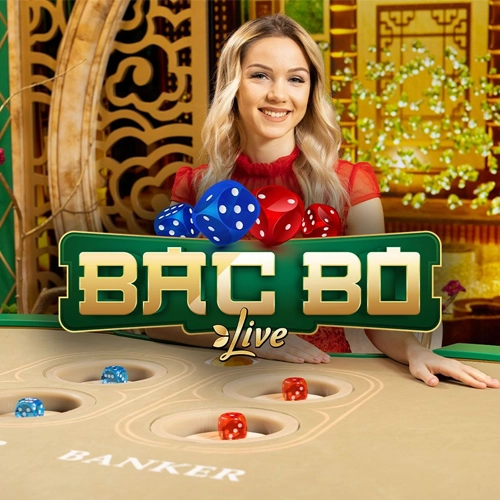









The Live Games section provides a real-time gaming environment streamed from professional studios. Games are conducted by trained dealers using physical equipment, with video feeds transmitted to player devices. All procedures follow standardized rulesets established by the game providers. Operational compliance is maintained in accordance with the licensing and regulatory frameworks governing the platform. Game availability for players in Canada is contingent upon provider licensing agreements and regional access permissions. Sessions operate continuously, with entry and exit permitted according to table-specific rules.
Live Game Categories and Studio Formats
The live dealer portfolio is segmented into distinct game categories, each with defined studio configurations. Traditional table games form the core offering, including multiple variants of Roulette, Blackjack, and Baccarat. These are supplemented by game-show style titles, which incorporate novel mechanics and bonus rounds. Studio environments are designed for optimal camera capture, typically featuring multiple high-definition angles focused on the game table, dealer, and relevant equipment such as the roulette wheel or card shoe.
Roulette formats follow European or American wheel structures, with camera views tracking the ball's trajectory and the betting layout. Blackjack tables vary by rule set, including the number of decks used and side bet options, with cameras covering the dealer's hand and the common player area. Baccarat studios often feature multiple tables and may include squeeze variants. Game-show formats utilize dedicated sets with hosts, large physical wheels, or random number generators integrated into the broadcast. The gameplay principle across all categories involves players placing bets via a digital interface within a specified time window, after which the physical outcome determines the result.
Technology, Streaming, and User Interface
Live games are delivered via continuous video streams encoded at various quality levels. The technology aims to minimize latency between the studio action and the user's screen. Streams are typically delivered using adaptive bitrate technology, which adjusts video quality based on the user's network connection. Compatibility extends to desktop browsers and mobile applications, with interfaces scaled for different screen sizes.
The user interface overlays interactive betting controls on the video feed. Standard interface tools include a bet slip, a history panel displaying previous results, and a chat module for text communication with the dealer. Bet input mechanics involve selecting a chip value and placing it on the virtual betting area. Network requirements are consistent with stable video streaming; a sustained internet connection is necessary to maintain session integrity. Interruptions can cause a temporary freeze or disconnection, requiring reconnection to the stream. The technical performance directly influences the experience, as high latency can delay bet placement or result updates.
Dealer Responsibilities and Gameplay Procedures
Dealers are responsible for conducting the game according to strict provider protocols. Their primary duties include managing the physical game equipment, announcing actions clearly, enforcing betting deadlines, and distributing cards or initiating spins. Dealers follow a precise sequence for each round, such as the shuffle and deal order in card games or the spin and ball drop in roulette. Game pacing is controlled by automated timers for betting phases, ensuring consistent round duration.
Card handling in games like blackjack and baccarat follows defined shuffling and dealing procedures, often using automatic shuffling machines. Outcomes are generated by physical actionsthe resting position of a roulette ball or the revealed value of cards. These outcomes are monitored by optical character recognition (OCR) technology, which translates physical events into digital data for the betting interface. This process, along with studio supervision, forms the primary fairness control. The platform's operation is designed to ensure all gameplay adheres to these published rules.
Table Limits, Availability, and Regional Constraints
Each live game table operates with defined minimum and maximum stake limits. These limits are set by the game provider and are displayed on the table selection lobby. Limits vary significantly between tables, catering to different player preferences. During periods of high demand, additional tables may be activated by the provider to manage user load.
Availability for players in Canada is subject to several administrative factors. The primary constraint is the licensing jurisdiction of each game provider, which determines in which regions their software can be legally offered. Consequently, not all global live game variants may be accessible. The platform's geo-location verification ensures that only players physically located within permitted Canadian jurisdictions can access the live games section. Furthermore, the availability of games for real money play is a standard operational mode. Access to specific tables may fluctuate based on technical maintenance or provider-side scheduling.